Digital signage has transcended its early role as a simple digital poster; it is now a crucial component of modern communication strategy, essential for everything from corporate internal messaging and retail advertising to public information display and dynamic menu boards. Choosing the right digital signage solution, however, is not just about picking a screen. It’s about selecting a long-term digital signage company—a partner whose software, hardware expertise, support, and vision align perfectly with your organizational goals. A poor choice can lead to frustrating technical glitches, costly integrations, and a failed communication strategy, while the right partner can unlock a powerful, flexible, and profitable communication channel.
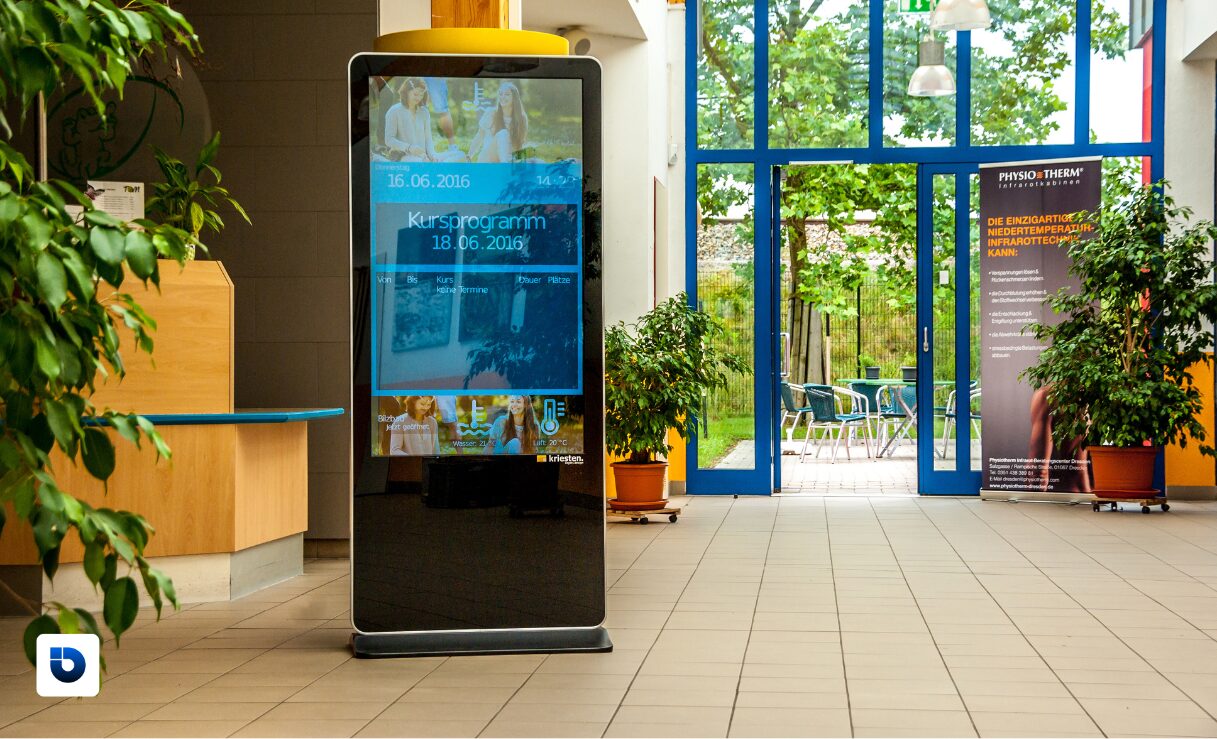
Given the complex ecosystem of hardware manufacturers, software providers, and full-service integrators, a methodical approach is vital. This article outlines the essential criteria and key questions you must consider to select the perfect digital signage partner for your specific needs.
1. Assess the Software: The Brain of Your Network
The content management system (CMS)—the software—is the operational heart of your digital signage network. Its quality will define your day-to-day experience far more than the screen hardware itself.
- Usability and Intuition: The CMS must be user-friendly and intuitive. If your marketing or operations team requires extensive, costly training just to upload a graphic or schedule a playlist, the system is too complicated. Look for drag-and-drop functionality, a clean dashboard, and minimal technical jargon.
- Scalability and Flexibility: Will the software support your growth? Ensure the solution can handle future expansion, whether that means adding ten new screens next year or integrating with systems globally. Crucially, verify its flexibility to handle different content types (live data feeds, HTML5, video, interactive elements) and support various screen orientations (landscape, portrait, video walls).
- Integration Capabilities (APIs): A modern digital sign isn’t static; it’s connected. The CMS must offer robust API (Application Programming Interface) support to integrate with your existing operational software, such as Point-of-Sale (POS) systems for dynamic pricing, inventory systems for stock alerts, or calendar tools for room booking displays. Lack of integration severely limits the signage’s utility.
- Proof of Concept (POC): Always ask for a free trial or a proof of concept demonstration. Run your actual content on their platform to ensure it meets your real-world performance expectations.
2. Evaluate Hardware Agnosticism and Reliability
While the company may sell hardware, the best partners prioritize software that can run on a variety of industry-standard media players and screens. This keeps you in control.
- Hardware Agnosticism: Avoid companies that tightly lock you into proprietary hardware. The ideal partner offers software that is hardware-agnostic, meaning it runs seamlessly on media players from multiple manufacturers (like BrightSign, Intel NUC, or various Android boxes). This allows you to shop for the best price, performance, and features for your needs.
- Player and Screen Reliability: Digital signs are often expected to run 24/7. Inquire about the reliability and rated lifespan of the media players and commercial-grade screens they recommend. Ask about remote monitoring capabilities—can they remotely reboot a player or check its health status without sending a technician?
- Security: As connected devices, media players are potential security risks. The company must demonstrate a commitment to network security, providing regular software updates and patching vulnerabilities promptly.
3. Scrutinize Service, Support, and Pricing Structure
The true cost of digital signage goes far beyond the initial purchase price; it includes ongoing fees, maintenance, and the quality of support you receive when something goes wrong.
- Service Level Agreements (SLAs): What happens when a screen goes dark? A good partner will offer clear Service Level Agreements (SLAs) detailing response times, methods of contact (phone, chat, email), and guaranteed uptime. Look for 24/7 technical support, especially if your network spans different time zones.
- Training and Onboarding: The initial setup and training phase is crucial. Does the company offer comprehensive onboarding, video tutorials, and dedicated account management? Ongoing training resources show a commitment to your long-term success.
- Transparent Pricing Model: Fully understand the pricing structure. Is it a one-time perpetual license, a monthly subscription (SaaS), or a tiered model based on the number of screens? Be wary of hidden fees for updates, advanced features, or priority support. A SaaS (Software-as-a-Service) model is common and preferable for its predictable operational expense and automatic inclusion of updates.
4. Gauge Industry Experience and Strategic Fit
Finally, consider the company’s history and alignment with your industry vertical. A signage company specializing in airports has different expertise than one specializing in quick-service restaurants (QSR).
- Relevant Case Studies: Ask for specific case studies within your industry (retail, healthcare, education, corporate). A partner that understands QSR menu board dynamics will be a better fit for a restaurant than a partner whose primary experience is with museum exhibits.
- Strategic Vision: Do they view themselves as just a vendor, or a long-term technology partner? The best companies continually invest in their software, adding features like AI-driven content optimization or audience measurement tools. Their roadmap should excite you and demonstrate that they will keep your signage network future-proof.
- Creative Services (Optional): If your internal team lacks design resources, check if the company offers content creation or creative design services. Having a single partner handle both the software and the content design ensures maximum compatibility and efficiency.
Conclusion
Selecting the right digital signage company is a foundational business decision. It requires moving past dazzling screen specs and focusing on the core utility: the CMS software’s usability and integration, the hardware’s flexibility and reliability, the transparency of the support and pricing model, and the depth of the partner’s industry experience. By rigorously evaluating these four pillars, you can secure a robust, scalable, and intelligent communication platform that will effectively engage your audience and deliver measurable business value for years to come.
Would you like me to create a detailed checklist based on these four criteria for evaluating digital signage vendors?