For most homeowners, their residence is their most significant financial and emotional investment. Protecting this sanctuary—not just from intruders, but from environmental hazards like fire and flood—is a fundamental priority. The modern home security system has evolved far beyond the simple alarm siren; it is now a comprehensive, interconnected ecosystem driven by smart technology, artificial intelligence, and cloud services. Choosing the right system can feel overwhelming given the array of DIY, professionally installed, wired, and wireless options available. However, understanding the core components and key features of contemporary security technology is the crucial first step toward selecting the perfect shield for your home.
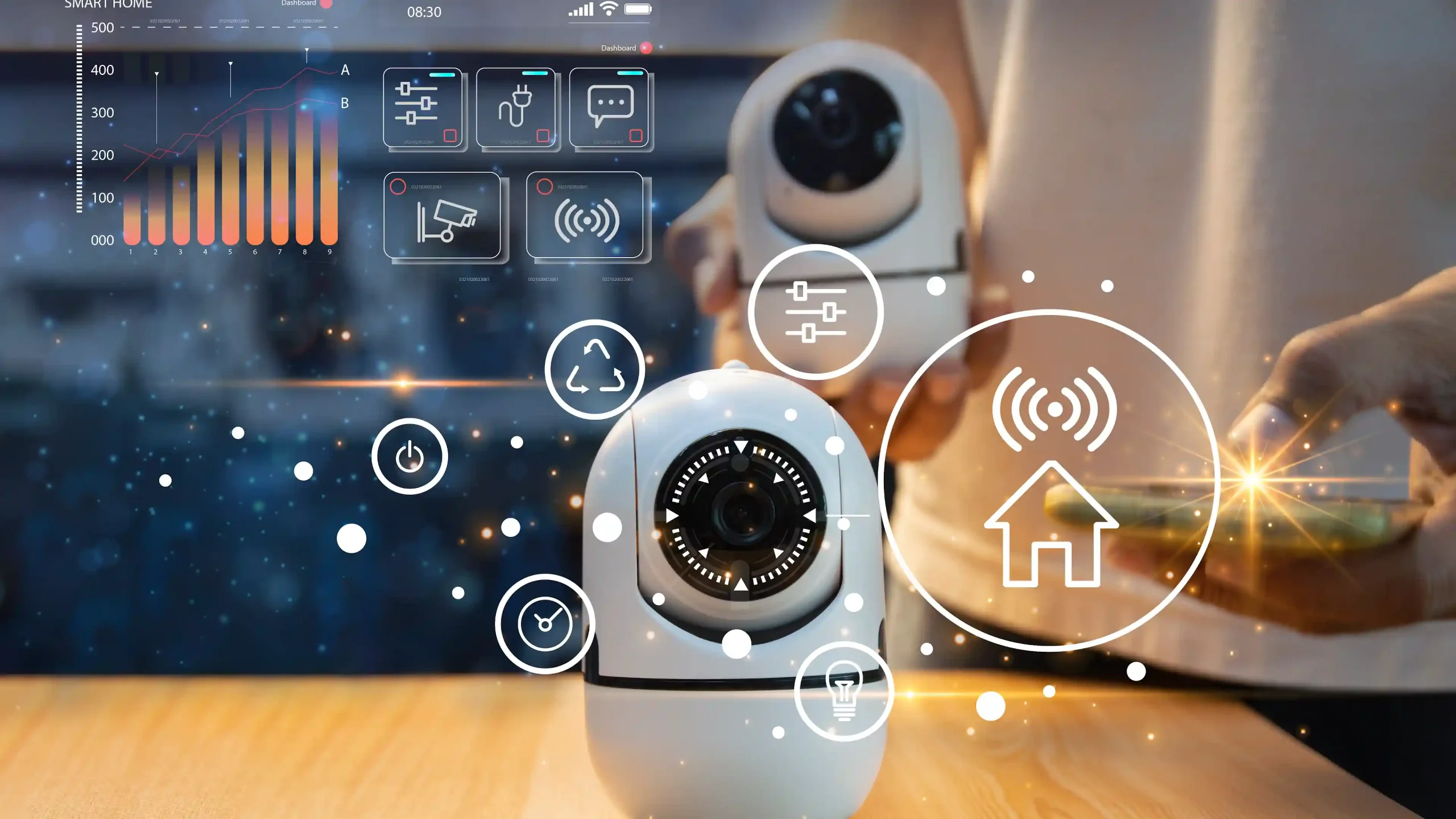
This article provides an in-depth look at the qualities, options, and considerations necessary to select a modern, effective, and future-proof home security system that delivers genuine peace of mind.
Defining Your Needs: Professional Monitoring vs. DIY Systems
The first major decision in selecting a home security system is determining the level of professional involvement you desire, which dictates the system’s core functionality and ongoing costs.
Professional Monitoring
- How it Works: The system is constantly linked to a central monitoring station. When an alarm is triggered (e.g., a door opens, a smoke detector senses fire), the signal is automatically sent to the station. Trained operators verify the threat (often via a built-in camera or audio) and immediately dispatch emergency services (police, fire department) if necessary.
- Pros: Guaranteed rapid response without relying on the homeowner to call 911. Often required by insurance companies for premium discounts. High reliability with cellular backup.
- Cons: Requires a mandatory monthly subscription fee and often involves installation contracts.
DIY (Self-Monitoring) Systems
- How it Works: The system sends all alerts directly to the homeowner’s smartphone via an app. The homeowner is responsible for contacting emergency services if a threat is confirmed.
- Pros: No monthly fees (beyond cellular/cloud storage fees). Lower initial cost and maximum control over installation and hardware.
- Cons: Response time is dependent on the homeowner’s ability to receive and act on the alert quickly. Not ideal if the homeowner travels frequently or is often unreachable.
Essential Components of a Modern Security Ecosystem
A truly effective home security system relies on a network of sensors and cameras working together, all managed through a central smart hub.
1. The Smart Hub and Connectivity
The hub is the “brain” of the system. It needs stable connectivity. The best systems offer cellular backup (using a mobile network) in addition to Wi-Fi. If your internet is cut or the power goes out, the cellular connection ensures that the alarm signal still reaches the monitoring station.
2. Contact and Motion Sensors
These are the front lines of defense:
- Contact Sensors: Placed on doors and windows, these detect when a connection is broken (i.e., when a door or window is opened).
- Motion Detectors: Placed strategically indoors, these use passive infrared (PIR) technology to detect body heat and movement. Modern systems offer pet immunity, allowing small pets to move freely without triggering false alarms.
3. Smart Cameras and Video Verification
Cameras have moved from mere recording to intelligent analysis:
- Doorbell Cameras: Offer wide-angle views, two-way audio (allowing you to speak to visitors), and often feature package detection alerts.
- AI-Powered Detection: The best outdoor cameras use AI to differentiate between a person, a car, and an animal, significantly reducing false alerts triggered by passing cars or squirrels. Some offer facial recognition to identify authorized family members.
- Video Verification: For professionally monitored systems, the ability of the operator to quickly review camera footage confirms an active break-in, leading to faster police dispatch.
Beyond Intrusion: Protecting Against Environmental Threats
A comprehensive home security system must protect against risks other than criminal activity, as fire and flood damage can be equally devastating.
- Integrated Smoke and CO Detection: The system should integrate smart smoke and carbon monoxide (CO) detectors. If an alarm is triggered, the system alerts the monitoring center instantly, regardless of whether residents are home, guaranteeing the fastest possible dispatch of the fire department.
- Water Leak Sensors: Placed near water heaters, washing machines, or basements, these sensors can detect small leaks early, preventing catastrophic flood damage and the resulting mold remediation costs.
Future-Proofing and Ecosystem Compatibility
Technology evolves quickly, and your security system should be able to keep up.
- Ecosystem Compatibility: Ensure the system integrates seamlessly with your existing smart home devices (e.g., Google Home, Amazon Alexa, Apple HomeKit). This allows for voice control and the creation of security routines (e.g., “Goodnight” locks the doors, arms the system, and turns off the lights).
- Easy Upgrades: Choose a system built on a modular, wireless architecture. This makes it easy to add new sensors, cameras, or updated hardware components (like a newer doorbell camera) without replacing the entire system.
- Data Privacy: Carefully review the company’s policy on how they handle your video and personal data. Strong encryption and transparent data retention policies are non-negotiable.
Conclusion
Selecting the perfect home security system is an exercise in balancing risk tolerance, budget, and technological preference. Whether you opt for the reliability of professional monitoring with cellular backup, or the control and affordability of a DIY system, the core decision rests on choosing an ecosystem that is intuitive, scalable, and comprehensive. By prioritizing smart detection, reliable communication (cellular), environmental protection (smoke/flood), and seamless smart home integration, you can deploy a digital shield that provides the ultimate assurance that your home and family are secure, today and for the years to come.