The emergence of 5G technology has already begun to reshape how we interact with the digital world. However, the true potential of this connectivity isn’t just found inside our homes or offices. The “5G Raises Outside” movement refers to the massive expansion of ultra-high-speed, low-latency networks into the open world—transforming public spaces, transportation, and industrial landscapes.

As we move deeper into 2026, the shift toward robust outdoor 5G infrastructure is no longer a luxury; it is the backbone of the next industrial and social revolution. Here is an in-depth look at how 5G is rising outside and what it means for our future.
The Evolution of Outdoor Connectivity
In the early stages of 5G deployment, much of the focus was on providing faster speeds for smartphones in dense urban pockets. But the concept of 5G raising outside involves a much more ambitious vision. It is about “5G Standalone” (SA) and … Read more
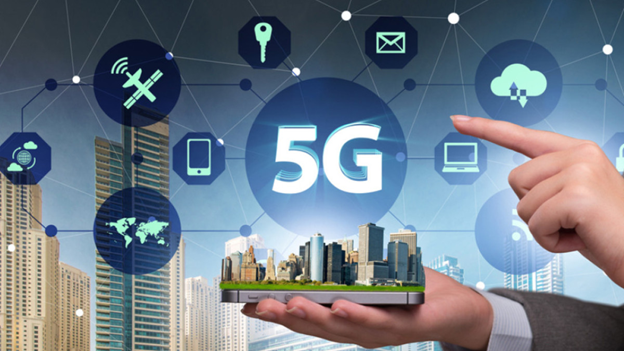

 The scintillating upsurge of social networking sites like Facebook, Myspace, Twitter, Orkut, Hi5 and many others in current instances has created a huge impact on each customers and service suppliers alike, and is bringing about new improvements in the area. Core Network Modifications With the redesigned core community, signalling and distributed servers, a key characteristic is to move the content material nearer to the end user and to shorten the path between devices for essential applications. Good examples are video on demand streaming services where it’s possible to retailer a duplicate or ‘cache’ of fashionable content in local servers, so the time to access is quicker.
 Most people are used to connecting to the Internet within the normal ways: with a dial up or high velocity wireless Web connection that comes from either a desktop pc or a laptop computer. Verizon , AT&T, and virtually all 5G providers in 2019 have latencies between 25-35 milliseconds. The “air latency” (between a phone and a tower) in 2019 gear is eight-12 ms. The latency to the server, further back in the community, increase the common to ~30 ms, 25-forty% decrease than typical 4G deployed. Including “Edge Servers” near the towers can convey latency right down to 10-20 ms. Lower latency, resembling the customarily touted 1 ms, is years away and doesn’t embrace the time to the server.