The International Space Station (ISS) is arguably humanity’s greatest engineering feat in orbit—a bustling, pressurized home hurtling around Earth at 17,500 miles per hour. Yet, beyond the complex science experiments and the breathtaking views of our blue planet, lies a deeply human existence governed by unique challenges and surprising routines. Life in this sophisticated tin can is a world away from Earth, demanding extreme discipline, psychological resilience, and mastery of a zero-gravity environment. The secrets of surviving and thriving in this orbital laboratory reveal not just the ingenuity of human technology, but the fascinating adaptability of the human spirit itself.
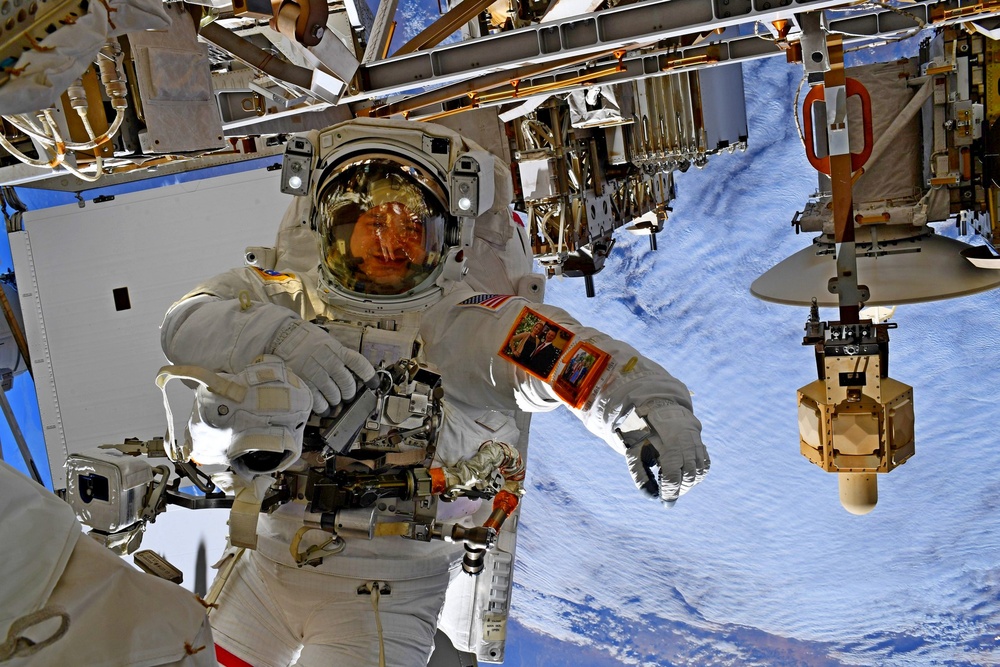
The Dance of Zero Gravity: Daily Life and Logistics
In the microgravity environment of the ISS, every mundane task becomes a strategic challenge, transforming simple actions like sleeping, eating, and hygiene into a carefully planned ‘dance’ against physics.
Mastering the Microgravity Routine:
- Anchored Sleep: Astronauts don’t sleep in beds; they sleep in small compartments resembling vertical telephone booths. To prevent drifting and waking up disoriented, they must strap themselves into sleeping bags anchored to the wall. The silence and the absence of weight often mean they must actively train their bodies to feel comfortable without the usual pressure of a mattress.
- Meals and Mess: Eating requires precision. Food is mostly dehydrated or thermostabilized, packaged to prevent crumbs (which could damage equipment) and designed to be sticky enough to stay on a utensil. Liquids are consume through straws in seal pouches. The sense of smell and taste is often dull due to fluid shifts in the head, leading astronauts to crave strong, spicy flavors.
- The “Stickiness” of Everything: Since objects don’t fall, they float away. Every single item—from a pen and paper to a screwdriver—must be meticulously secured with Velcro, clips, or tethers the moment it is put down. This extreme organization is the ultimate secret to efficiency and avoiding hazards.
The Silent Enemy: Combating the Effects of Space on the Human Body
The human body is exquisitely adapted to Earth’s gravity, and its absence creates numerous physiological problems that astronauts must actively fight every single day. The commitment to countermeasures is one of the most rigorous aspects of life on the ISS.
The Anti-Gravity Workout:
- Bone Density Loss: Without the constant load of gravity, bones quickly lose mass (up to 1-2% per month). To combat this, astronauts undergo a mandatory two-hour daily workout routine. This includes intense resistance training using specialized equipment that simulates weightlifting and high-speed running on a treadmill with vacuum harnesses to pull them down.
- Cardiovascular Drift: Fluids shift upwards into the chest and head, fooling the body into thinking it has too much fluid, leading to reduced plasma volume. The heart works less hard without gravity. The rigorous exercise regime is vital for keeping the cardiovascular system conditioned for the eventual return to Earth’s gravity.
- Vision Changes (SANS): A more recent and worrying finding is Spaceflight Associated Neuro-Ocular Syndrome (SANS), where the fluid shifts cause swelling around the optic nerve, leading to changes in visual acuity for many astronauts. Researchers are actively studying this to mitigate long-term damage.
The Psychological Bubble: Teamwork and Earth Connection
Living in a confined space for months with the same small group of people, separated by the immense vacuum of space from friends and family, creates unique psychological demands.
Maintaining Mental Health in Isolation:
- Crew Cohesion and Conflict Management: Mission success hinges on crew harmony. Astronauts undergo extensive psychological training to manage conflict, respect personal space, and maintain professional relationships in high-stress, confined conditions. The ISS crew schedule often includes dedicated time for team-building and non-work interaction.
- The Window on the World: The Cupola—the seven-windowed dome on the ISS—is perhaps the most cherished spot. Looking down on Earth provides a powerful sense of connection and purpose. Astronauts often cite the Overview Effect—a cognitive shift in awareness triggered by seeing the Earth as a small, fragile sphere—as a profoundly moving experience that reinforces their mission.
- Scheduled Communications: Regular, scheduled video and voice communication with family and friends on Earth is a vital component of the support structure, helping to manage feelings of loneliness and isolation that can creep in during long missions.
The Future of Living in Orbit
Life on the ISS serves as a continuous, critical experiment, providing the data necessary to plan future, far longer missions to the Moon and Mars. The secrets learned today—how to manage limited resources, how to maintain physical health under extreme conditions, and how to govern a small, multicultural community—are the foundation for humanity’s eventual interplanetary voyages.
The reality of living on a space station is a blend of high-tech marvel and gritty, day-to-day maintenance. It is a place where every breath is a technological victory, every meal is a logistical success, and every workout is a battle against the very forces of nature.
Conclusion
Life aboard the International Space Station is an extraordinary testament to human resilience. The secrets to surviving zero gravity lie in meticulous organization, a rigorous commitment to physical exercise to counteract bone and muscle atrophy, and disciplined psychological training to maintain crew cohesion. By mastering the daily challenges of microgravity, astronauts not only complete vital scientific research but also forge the path for humanity’s future in space. Their daily life teaches us that the ultimate frontier is conquered not just with rockets and metal, but with routine, resilience, and the power of human adaptation.
Would you like me to focus on the specific scientific experiments that rely on the unique microgravity environment of the ISS?